Why Safety is the Ultimate Marketplace Product 

By
2 min read
Share

In the early days of the sharing economy, marketplaces were just matchmakers. They connected a buyer with a seller, took a fee, and wished both parties good luck. But as the P2P and B2B sectors mature, users are no longer just looking for a match, they are looking for a guarantee.


The Strategic Shift

The most successful marketplaces in 2026 aren’t the ones with the most listings, they are the ones with the least friction. When a platform manages the “trust layer”, it stops being a mere directory and starts being a partner.
The Real Cost of “Platform Leakage”

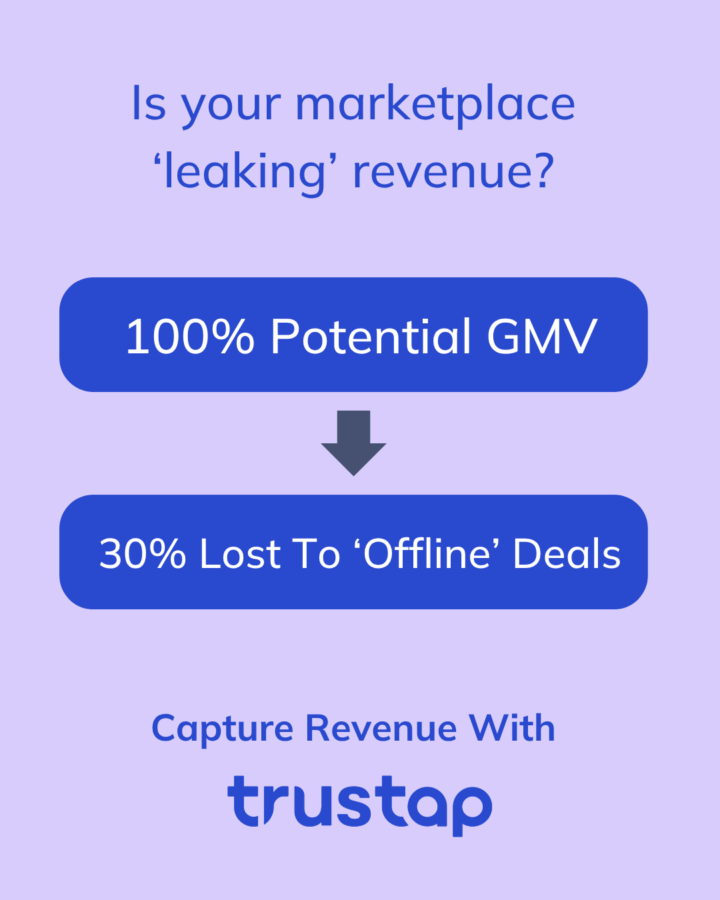
The biggest threat to a marketplace’s bottom line isn’t a lack of users, it’s disintermediation, commonly known in the industry as “platform leakage.” Leakage occurs when users find one another on your platform but move the transaction “offline” to avoid fees or because they lack confidence in the checkout.

Industry data from leading venture capital firm Andreessen Horowitz highlights that for many marketplaces, leakage can account for a loss of up to 30% of their total potential revenue. By offering a secure checkout, you give users a reason to stay on-platform, and the fee becomes the price of total financial security. (Source: a16z: 10 Marketplace KPIs That Matter)


The “Reputation Tax”

Consider high-value P2P categories such as luxury items, electronics, or vehicles. In these sectors, a single high-profile fraud case creates a “reputation tax” that lingers long after the transaction is over.
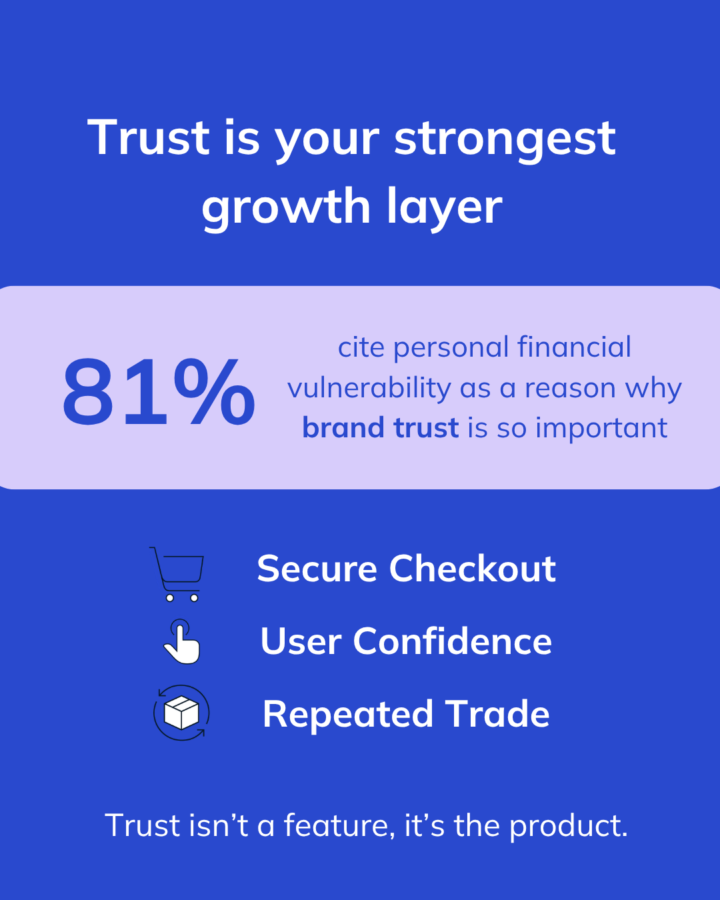
 

The Edelman Trust Barometer highlights that 81% of consumers cite personal vulnerability, specifically regarding financial stability and privacy, as a key reason why brand trust has become a deciding factor in their buying journey. (Source: Edelman Trust Barometer: Special Report on Brand Trust)


If your checkout feels like a financial risk, your conversion rate will suffer. Trustap’s milestone payments act as an automated insurance policy, ensuring funds are only released when the buyer is satisfied, effectively eliminating the risk of platform-shaming.


Why Safety Scales:

  • Reclaiming Revenue: When the platform provides a secure hold and milestone protection, users want to stay on-platform to ensure they don’t get scammed. You convert “off-platform” leakage back into “on-platform” revenue.
  • Protecting Brand Equity: By automating the holding of funds, you protect your platform’s name as much as your users’ wallets.
  • The Network Effect of Trust: Trust is a growth lever. Customers who feel secure regarding their financial stability are significantly more likely to become “power users”, listing more frequently and referring others.

If you want to scale your marketplace, don’t just build a better search bar. Build a better safety net. In the modern economy, trust isn’t a feature, it is the product.

Ready to secure your platform?

Contact the Trustap Team


By
|
2 min read

In the early days of the sharing economy, marketplaces were just matchmakers. They connected a buyer with a seller, took a fee, and wished both parties good luck. But as the P2P and B2B sectors mature, users are no longer just looking for a match, they are looking for a guarantee.


The Strategic Shift

The most successful marketplaces in 2026 aren’t the ones with the most listings, they are the ones with the least friction. When a platform manages the “trust layer”, it stops being a mere directory and starts being a partner.

The Real Cost of “Platform Leakage”

The biggest threat to a marketplace’s bottom line isn’t a lack of users, it’s disintermediation, commonly known in the industry as “platform leakage.” Leakage occurs when users find one another on your platform but move the transaction “offline” to avoid fees or because they lack confidence in the checkout.

Industry data from leading venture capital firm Andreessen Horowitz highlights that for many marketplaces, leakage can account for a loss of up to 30% of their total potential revenue. By offering a secure checkout, you give users a reason to stay on-platform, and the fee becomes the price of total financial security. (Source: a16z: 10 Marketplace KPIs That Matter)


The “Reputation Tax”

Consider high-value P2P categories such as luxury items, electronics, or vehicles. In these sectors, a single high-profile fraud case creates a “reputation tax” that lingers long after the transaction is over.


The Edelman Trust Barometer highlights that 81% of consumers cite personal vulnerability, specifically regarding financial stability and privacy, as a key reason why brand trust has become a deciding factor in their buying journey. (Source: Edelman Trust Barometer: Special Report on Brand Trust)


If your checkout feels like a financial risk, your conversion rate will suffer. Trustap’s milestone payments act as an automated insurance policy, ensuring funds are only released when the buyer is satisfied, effectively eliminating the risk of platform-shaming.


Why Safety Scales:

  • Reclaiming Revenue: When the platform provides a secure hold and milestone protection, users want to stay on-platform to ensure they don’t get scammed. You convert “off-platform” leakage back into “on-platform” revenue.
  • Protecting Brand Equity: By automating the holding of funds, you protect your platform’s name as much as your users’ wallets.
  • The Network Effect of Trust: Trust is a growth lever. Customers who feel secure regarding their financial stability are significantly more likely to become “power users”, listing more frequently and referring others.

If you want to scale your marketplace, don’t just build a better search bar. Build a better safety net. In the modern economy, trust isn’t a feature, it is the product.

Ready to secure your platform?

Contact the Trustap Team


Share

Other blogs

Speak to a member of our team

keyboard_arrow_up